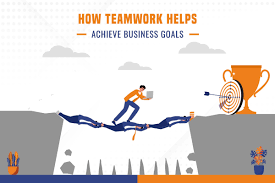
Effective collaboration in expanding organizations requires careful planning. When teams miss their goals, the problem is usually poor teamwork and communication, not a lack of skill. As companies scale, silos often form, isolating departments and impeding the flow of information. For those leading in the technology and media industries, building a collaborative environment is a strategic priority. The following five strategies offer practical approaches to dismantling barriers and bringing teams together to pursue shared outcomes.
Create a Unified Vision
A shared vision is the foundation of effective collaboration. By communicating a unified purpose, leaders help departments understand their role in the broader mission, which reduces friction and encourages collective problem-solving. Toronto-based venture capitalist G Scott Paterson exemplifies this mindset by highlighting the importance of teamwork in achieving success across the technology and media landscape. Scott Paterson Toronto, co-founder of the Merry Go Round Children’s Foundation, has received multiple awards for his contributions to business and the community.
Implement Cross-Functional Teams
Hierarchical structures can impede swift progress and innovation. A more effective alternative involves forming cross-functional teams composed of individuals from diverse backgrounds, including design, engineering, product management, and sales. These groups focus on specific projects or objectives. By integrating varied expertise within a single group, organizations reduce the delays typical of sequential handoffs between departments. This arrangement supports more immediate problem-solving and benefits from a range of perspectives, contributing to quicker and more practical solutions.
Standardize Communication Tools
In today’s connected world, clear communication is key to collaboration. Successful organizations use specific tools and protocols for purposes like crisis response, project updates, and documentation. By assigning clear roles to channels, they keep information organized and accessible, avoiding scatter through informal methods. During her time as CEO of PepsiCo, Indra Nooyi leveraged structured communication frameworks to align teams with the company’s purpose-driven initiatives. This approach helped break down internal barriers and ensured critical messages reached all areas of the business.
Foster Psychological Safety
Research from Google’s Project Aristotle has shown that psychological safety is a key factor in effective teams. Creating an environment where individuals feel safe to propose ideas, take risks, and acknowledge mistakes without fear of negative repercussions is vital. When employees are not afraid of criticism, they are more likely to share creative ideas and learn from missteps. Leaders foster this atmosphere by encouraging open communication, viewing errors as opportunities for growth, and consistently building trust. As a result, collaboration flourishes.
Align Incentives with Shared Goals
The behaviors encouraged within an organization depend heavily on the underlying incentives. If separate teams are rewarded for pursuing different, and sometimes opposing, objectives, conflicts can arise. For example, when sales teams prioritize volume and product teams emphasize stability, this misalignment can lead to tension. To promote genuine collaboration, incentives should reflect collective achievements. Recognition and rewards tied to company-wide goals or cross-functional key performance indicators motivate team members to work together, making shared success a common objective.
Establishing a culture of collaboration takes deliberate action from leadership. It is not sufficient to simply tell teams to cooperate. By setting a unified vision, organizing cross-functional teams, standardizing communication tools, fostering psychological safety, and aligning incentives, organizations can unlock the full potential of their teams. True collaboration enables talented individuals to work as a cohesive group, better positioned to meet ambitious goals in highly competitive settings.
