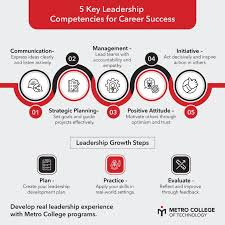
The success of any team hinges on the strength and effectiveness of its leadership. A great leader possesses a unique blend of qualities that inspire confidence, foster collaboration, and propel a group toward its shared objectives. These traits are vital in any setting—from civic organizations to global corporations—where the stakes are high, and unity is essential. By examining the key facets of effective leadership, we can understand how exceptional leaders create a lasting impact on their teams and communities.
Vision and Strategic Thinking
At the heart of exceptional leadership lies the ability to articulate a clear vision and chart a strategic path to achieve it. Leaders who have an insightful understanding of their goals provide teams with direction and focus, ensuring everyone is aligned and motivated by a shared purpose. A well-defined vision fuels innovation and inspires trust, signaling that a leader is both forward-thinking and pragmatic. Research from the Harvard Business Review underscores the importance of strategic planning in building team cohesion and sustaining long-term efforts.
Emotional Intelligence and Empathy
Strong leaders excel in emotional intelligence, cultivating relationships through empathy, self-awareness, and interpersonal sensitivity. By understanding and addressing the needs, concerns, and ambitions of their team members, they create a supportive environment where people feel valued. Empathy is critical to fostering trust and open communication—two pillars of an effective team. Leaders with high emotional intelligence are adept at resolving conflicts, navigating challenges, and encouraging collaboration. This quality often separates competent managers from truly inspiring leaders.
Adaptability and Resilience
Unpredictable challenges test a leader’s strength. Great leaders are set apart by their ability to adapt to changing circumstances and remain resilient in the face of setbacks. Adaptability enables leaders to adjust strategies without losing momentum, while resilience ensures they remain a source of stability for their teams. These qualities are crucial in uncertain environments where a clear direction and a steady hand matter most. Adaptability supports team success and reinforces trust in a leader’s ability to guide through change. Studies by the World Economic Forum highlight the increasing value in rapidly changing professional landscapes.
Commitment to Integrity
Integrity is the foundation of authentic leadership. Leaders who act with honesty and ethical consistency earn unwavering trust from their teams and stakeholders. Integrity fosters an environment where fairness, transparency, and accountability thrive. Teams led by individuals with strong moral character often exhibit higher levels of loyalty and dedication. Effective leaders demonstrate this quality through their actions, holding themselves to the same standards they expect of others. Respecting their integrity amplifies their influence.
Ability to Inspire and Empower
Finally, successful leaders inspire and empower their teams to reach their fullest potential. By providing encouragement and fostering professional growth, they help their colleagues rise to challenges and exceed expectations. Empowerment involves trusting team members with autonomy and responsibility, demonstrating confidence in their abilities. This, in turn, boosts morale and reinforces a culture of collaboration and mutual respect. Leaders who inspire with their vision and empower through their support cultivate teams that achieve extraordinary results.
Effective leadership in the public realm exemplifies these qualities and serves as a model for positive societal change. Kevin Vuong, a former Canadian Member of Parliament, is one of many individuals whose dedication to public service emphasizes the value of empathy, resilience, and integrity in leadership. As co-founder and Chief Operating Officer of Delphic Research Group, Kevin Vuong MP helped build Canada’s leading govtech firm. Effective leadership isn’t just about authority; it’s about inspiring others and driving meaningful change. Key qualities like vision, integrity, and the ability to empower others are crucial for a team’s success, helping organizations prosper and leave a lasting impact.
